
How I became a champion for motorcycle safety reform
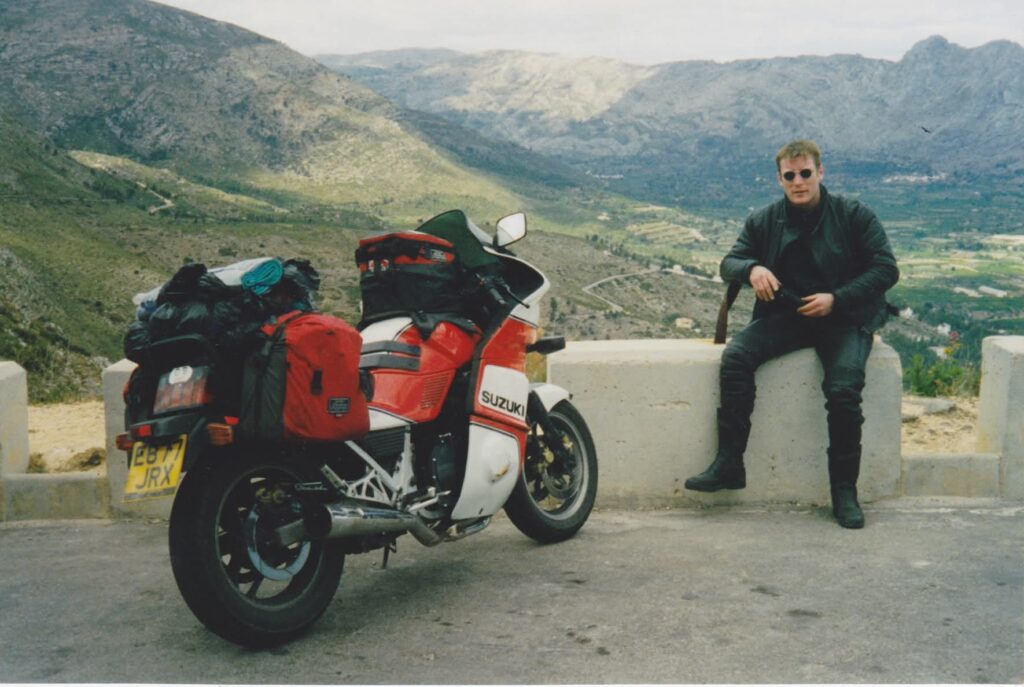
I have spent decades on two wheels and remain convinced that motorcycling can be both exhilarating and safer than it is today. From my early days as a teenage courier, through shaping policy in London, to my current role at Redspeed, I have seen both the joy and the vulnerability of riding. That is why this new motorcycle safety initiative matters so much to me: I want riders to enjoy every journey and get home safely every time.
My connection with motorcycling is long-standing
At 16 I rode a Suzuki AP50, and at 17 I became a motorcycle courier in London. This was before mobile phones; my A–Z was essential and I was self-employed, with little rider welfare – rather like today’s gig economy workers. Those years taught me hard lessons. I vividly remember seeing a rider seriously injured after being hit by a driver – an image that has never left me. I have been fortunate to avoid serious collisions, though good PPE has saved me from injury more than once.

From courier work to camera strategy
Encouraged by my mother, I went to university in Plymouth, returning to the saddle during holidays. After qualifying as a civil engineer, I joined the predecessor to Transport for London (TfL), shifting from managing my own risk to improving safety for all road users. I became involved in rolling out speed cameras across London. We saw clear results: around 500 deaths and serious injuries were prevented each year at camera sites. Analysis of STATS 19 data has shown camera effects extend roughly 500 yards in both directions, reinforcing my belief that we must design risk out of the system, not rely solely on behaviour change.
Later, I led TfL’s motorcycle policy and safety work. This included exploring issues such as motorcycles in bus lanes and ideas like encouraging young drivers to spend time riding bikes to build empathy. I have always tried to learn from past initiatives – what I often describe as “the answer’s in the museum” – recognising that earlier research still holds valuable insights.
What still worries me
Motorcycling remains disproportionately dangerous. Riders make up about 1% of traffic but account for roughly 20% of road deaths. Despite this, investment and consistent action have not matched the scale of the issue. I am particularly concerned about young riders. With reduced public transport, especially in rural areas, more people rely on scooters and small motorcycles, often without adequate training or protective equipment. Reviewing collision reports at TfL reinforced for me the importance of proper PPE and preparation.
Supporting younger riders must be a priority—helping them understand risk, develop skills, and use appropriate protection. At the same time, we should not discard effective ideas from the past. Schemes such as the RAC/ACU training programme still offer lessons worth revisiting.
Why data matters
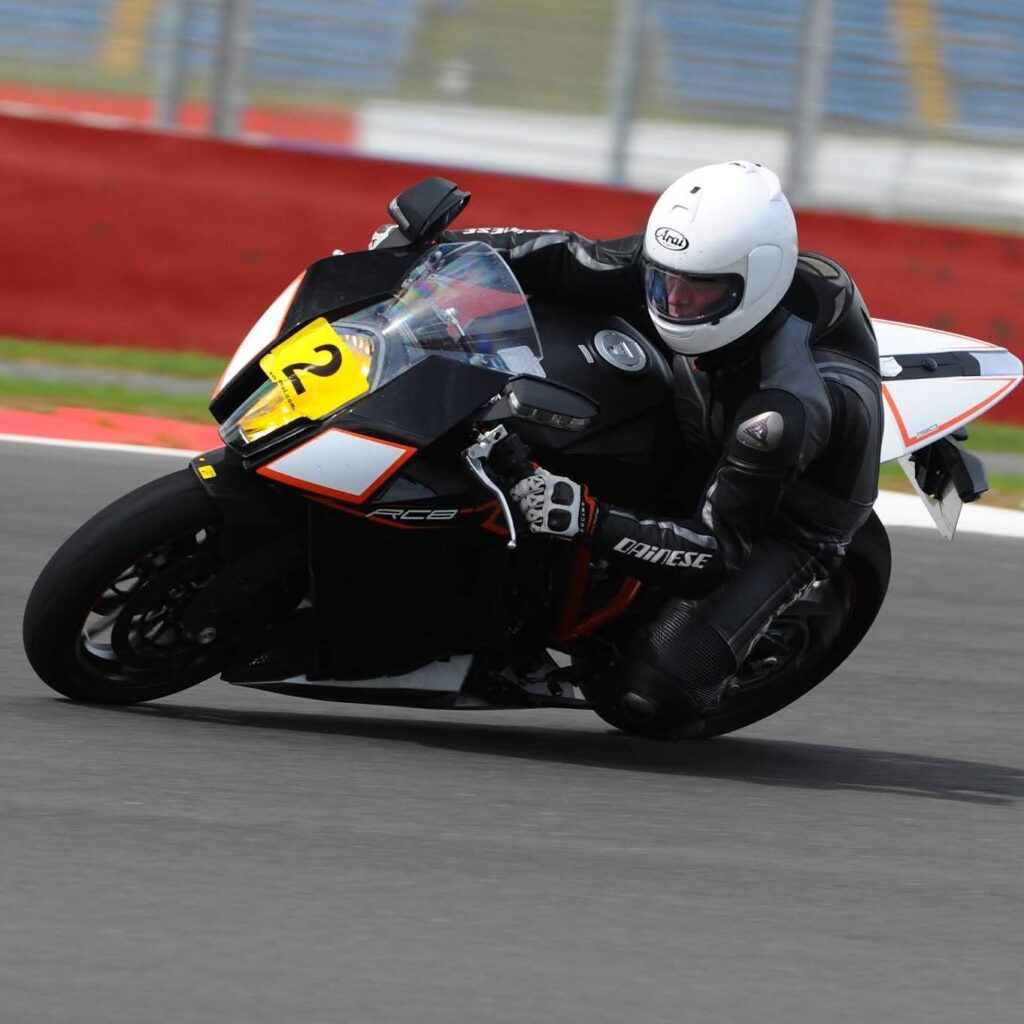
After consultancy, I joined Redspeed in 2018 to combine my policy and engineering background with high-quality data capabilities. Our motorcycle safety initiative, built around Sentio technology, aims to use that data to better protect riders. Working with motorcycle racer Martin Morris, we share a clear message: we want people to enjoy riding and also to return home safely. By analysing enforcement and traffic data, identifying collision patterns, and understanding local contexts, we can target interventions – from infrastructure improvements and speed management to education and better PPE use.
My call to action
We have made progress in demonstrating the value of speed cameras, but much more needs to be done for motorcycling safety. The Sentio Standard initiative depends on collaboration. By combining strong insight with advanced enforcement technology, we can reduce deaths and serious injuries among riders. The data already exists in systems such as STATS19 and Sentio. The challenge is to use it effectively and consistently. I want manufacturers, trainers, policymakers, enforcement partners, and riders themselves to recognise our vulnerability and our shared ability to improve outcomes. That means investing in proven measures, revisiting past research, and ensuring policies and technologies are grounded in evidence and real-world experience.
If we work together and use the best data available, we can make motorcycling safer, more accessible, and more enjoyable – which is good news for riders and for everyone else on the road.